
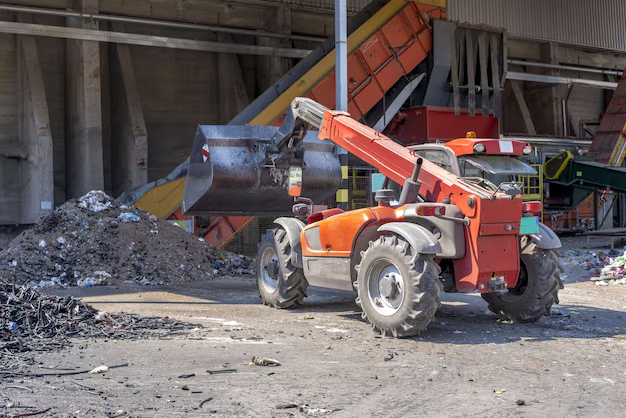
Effective waste management is crucial for construction sites, where large volumes of debris are generated daily. With the construction industry being one of the largest contributors to global waste, implementing efficient disposal solutions is essential for minimizing environmental impact and ensuring compliance with regulations. This article explores various waste management strategies tailored for construction sites, emphasizing the importance of responsible disposal and recycling practices.
Understanding Construction Waste
Construction waste encompasses a wide range of materials, including concrete, wood, metals, plastics, and hazardous substances. Approximately half of all solid waste produced globally comes from construction activities, making it imperative to manage this waste responsibly. Properly categorizing and understanding the types of waste generated is the first step in developing an effective waste management plan. By identifying the materials that can be reused or recycled, construction companies can significantly reduce the amount of waste sent to landfills.
Developing a Waste Management Plan
Creating a comprehensive waste management plan is essential for any construction project. This plan should outline the types of waste expected, the methods for disposal, and the recycling processes in place.
Key elements of a waste management plan include:
- Waste assessment: Analyzing the project to estimate the volume and types of waste generated.
- Designated waste areas: Establishing specific locations for waste collection and recycling on-site to streamline disposal efforts.
- Training and education: Ensuring that all workers understand the waste management plan and their roles in implementing it.
By having a well-structured waste management plan, construction sites can minimize waste generation and promote recycling efforts.
Implementing Waste Segregation Practices
One of the most effective ways to manage construction waste is through waste segregation practices. By separating recyclable materials from general waste, construction companies can significantly increase their recycling rates.
Implementing clearly labeled bins for different types of waste, such as metals, wood, and plastics, encourages workers to dispose of materials correctly. Additionally, regular training sessions can reinforce the importance of waste segregation and educate workers on the benefits of recycling.
Partnering with Waste Management Services
Collaborating with professional waste management services can enhance the efficiency of waste disposal on construction sites. These companies specialize in handling construction waste and can provide tailored solutions for specific project needs.
For example, waste management services can supply appropriate containers for different types of waste, coordinate regular pickups, and ensure compliance with local regulations. By outsourcing waste management, construction companies can focus on their core operations while ensuring that waste is handled responsibly.
Recycling and Reusing Materials
Recycling and reusing materials are critical components of effective waste management on construction sites. Many materials, such as concrete, wood, and metals, can be recycled and repurposed for future projects. To facilitate the recycling process, construction companies often utilize roll off containers specifically designed for collecting different types of materials. By prioritizing recycling and reuse, construction companies can reduce their environmental footprint and lower disposal costs.
Conclusion
Efficient waste management solutions are vital for construction sites to minimize environmental impact and ensure compliance with regulations. By developing a comprehensive waste management plan, implementing waste segregation practices, and partnering with professional waste management services, construction companies can significantly reduce the amount of waste generated. Prioritizing recycling and reuse not only benefits the environment but also helps lower disposal costs. As the construction industry continues to grow, adopting responsible waste management practices will be essential for promoting sustainability and protecting our planet for future generations.
About the Author


