
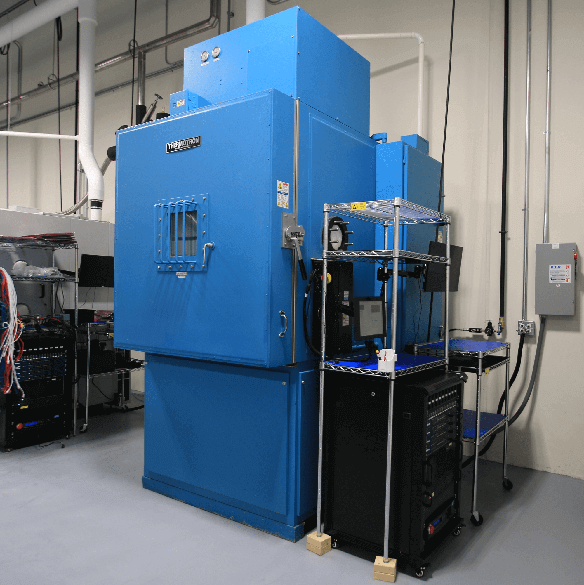
Before any space-bound vehicle or component can be launched, it must undergo thorough testing to ensure it can endure the extreme conditions of space. A key aspect of this process is thermal altitude testing.
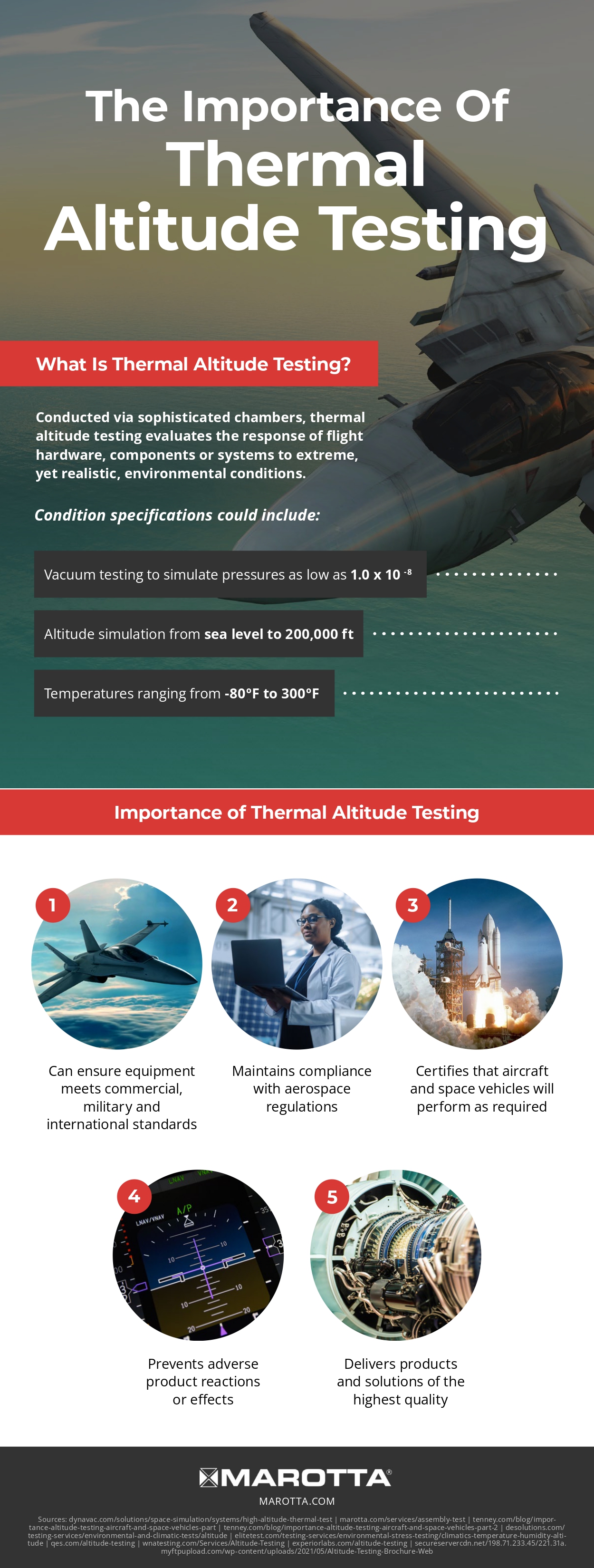
Thermal altitude testing replicates the harsh environment of high altitudes, where low pressure, lack of moisture, and extreme cold prevail, to confirm that the equipment will function reliably in space. This test is vital for devices used in satellites, spacecraft, and similar systems.
Conducted within an altitude chamber, this test exposes equipment to various atmospheric conditions, assessing their durability and performance under changing temperature and pressure. These chambers are expertly designed with a 1-STEP AC-DC power converter, which precisely adjusts conditions to replicate different atmospheric layers.
Meeting these rigorous standards not only guarantees the reliability of the components for both terrestrial and space operations but also boosts the product’s competitiveness in a highly competitive industry.
In conclusion, thermal altitude testing is a crucial step to ensure that equipment is ready to operate in the extreme conditions of high-altitude and space environments, protecting investments and ensuring mission success. For further details on thermal altitude testing and its significance, refer to the additional resources provided below.
About the Author


